

Is a Furniture Warehouse the Secret to Affordable Home Decor?
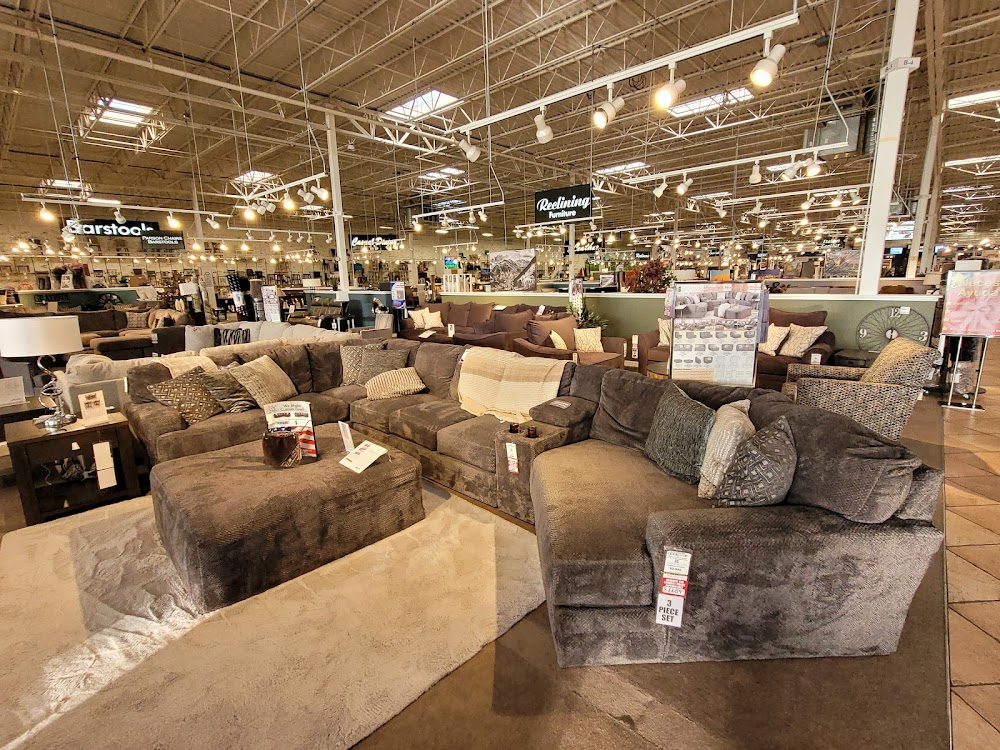
Furniture warehouses have become a game-changer for shoppers looking for stylish home furnishings at affordable prices. Unlike traditional stores, these specialized retail spaces operate differently by focusing on clearance events and bulk sales, offering discounts of 70-80% off regular prices.
How Do Furniture Warehouses Work?
The appeal of a furniture warehouse lies in its unique approach to inventory. Instead of having year-round showrooms with high operating costs, these businesses directly source products such as end-of-line items, excess stock, and discontinued goods from major retailers. This model helps them avoid many expenses associated with traditional retailing, allowing them to pass on the savings to customers.
Why Are Furniture Warehouses Gaining Popularity?
Budget-conscious shoppers have caught on to this affordable home decor solutions strategy. The growing popularity of furniture warehouses reflects a broader shift in consumer behavior, where smart shoppers prioritize value without sacrificing quality or style.
These venues typically host event-based sales several times annually, creating limited-time opportunities for customers to access premium furniture at fraction-of-retail pricing. The selection spans everything from modular lounges and leather recliners to complete bedroom sets and outdoor furniture collections.
What Makes Furniture Warehouses Different?
What makes furniture warehouses particularly attractive is their ability to offer designer-quality pieces that would otherwise remain out of reach for average homeowners. The combination of strategic sourcing, minimal overhead, and event-driven sales creates a perfect storm of affordability that traditional furniture stores simply cannot match.
What Sets Furniture Warehouses Apart from Traditional Retail Stores?
The furniture warehouse business model operates fundamentally differently from permanent showrooms by eliminating year-round overhead costs. Rather than maintaining expensive retail spaces with constant staffing and utilities, warehouses open their doors only during specific sale events throughout the year, dramatically reducing operational expenses that get passed directly to customers.
Traditional retail furniture stores maintain continuous inventory displays, employ full-time sales staff, and invest heavily in showroom aesthetics and customer experience amenities. These ongoing costs—rent, utilities, salaries, and marketing—become embedded in product pricing, typically adding 50-100% markup to wholesale costs.
Inventory Management Differences
Furniture warehouses handle inventory through a clearance-focused approach:
- Bulk purchasing of discontinued lines and excess stock from manufacturers
- Limited-time holding of inventory rather than long-term storage
- Rapid turnover during concentrated sale weekends
- No display models requiring floor space maintenance
This method aligns closely with effective inbound and outbound logistics management, which further optimizes the warehouse’s operational efficiency.
Traditional retailers, by contrast, maintain carefully curated collections that remain available year-round. They rotate displays seasonally, hold inventory for extended periods, and frequently refresh showrooms to attract repeat visitors. This approach requires significant capital tied up in stock and display pieces.
Sales Strategy Contrasts
The event-based sales model creates urgency that drives purchasing decisions. Warehouses announce specific weekend openings, generating concentrated customer traffic during short windows. Shoppers understand that items sell quickly and may not be restocked, encouraging immediate purchases rather than prolonged deliberation.
Traditional stores rely on relationship-building, extended browsing periods, and ongoing promotional cycles. Sales associates guide customers through selection processes that may span multiple visits, with inventory remaining available for weeks or months. This patient approach requires sustained marketing investment and longer sales cycles that increase per-unit costs.
How Do Furniture Warehouses Manage to Offer Such Deep Discounts?
Furniture warehouses achieve their remarkable pricing through strategic clearance stock sourcing strategies that target products major retailers need to move quickly. They purchase end-of-line items, excess inventory, and discontinued models at significantly reduced wholesale prices, often acquiring entire collections that retailers are phasing out to make room for new stock.
The discount structure works because manufacturers and retailers face constant pressure to clear warehouse space. When a furniture line gets discontinued or a retailer over-orders, these pieces become liabilities taking up valuable storage. Furniture warehouses step in as bulk buyers, negotiating prices that can be 60-80% below original wholesale costs.
Primary Sourcing Channels
Discounted furniture flows into warehouses through several key channels:
- Overstock purchases from manufacturers who produced excess inventory beyond retailer orders
- Discontinued lines being phased out for newer designs or seasonal collections
- Floor models and display pieces from retail showrooms undergoing renovations
- Cancelled orders from retailers who went out of business or changed their product mix
- Minor imperfections or cosmetic flaws that prevent items from meeting retail standards
To effectively manage this surplus overstock inventory, the volume-based purchasing model creates additional savings. By committing to large quantities—sometimes entire shipping containers—warehouses secure prices that individual retailers cannot match. A warehouse might purchase 200 sofas at once rather than the 20 a traditional store would order.
The Cost Advantage Breakdown
Traditional retail stores carry overhead expenses that furniture warehouses eliminate or minimize. Permanent showrooms require year-round staffing, utilities, insurance, and property costs. Warehouses operate from industrial spaces with minimal climate control and basic lighting, reducing operational expenses by 40-50%.
Sales staff requirements differ dramatically. A traditional furniture store employs commissioned salespeople who work with customers individually, adding labor costs to each sale. Warehouse events use minimal staff focused on checkout and logistics rather than extensive product consultation.
Marketing budgets shift from continuous advertising to concentrated promotional pushes around sale events. Instead of maintaining constant visibility through television, print, and digital campaigns, warehouses invest in targeted email lists and social media announcements for specific sale weekends.
The elimination of long-term inventory holding costs represents another significant advantage.
What Types of Furniture Styles Can Shoppers Expect to Find at Warehouses?
Is a furniture warehouse the Secret to Affordable Home Decor? The answer becomes clearer when you see the impressive variety of furniture styles at warehouses. These clearance-focused venues stock an extensive range of pieces spanning contemporary, traditional, and transitional designs—often featuring the same brands found in high-end retail stores.
Living Room Furniture
Lounge furniture dominates warehouse inventories with multiple configuration options:
- Modular lounges that adapt to different room layouts and sizes
- Leather lounges in various grades, from bonded to full-grain leather
- Recliner suites with manual or electric mechanisms
- Chaise lounges for maximizing seating in compact spaces
- Corner sofas perfect for open-plan living areas
These pieces typically arrive from major retailers as end-of-line stock, meaning shoppers access current or recently discontinued styles rather than outdated designs.
Bedroom Collections
Bedroom sets at warehouses include complete suites and individual pieces:
- Queen, king, and single bed frames in materials ranging from upholstered fabric to solid timber
- Matching tallboys, dressers, and bedside tables
- Storage beds with built-in drawers
- Headboards in various styles from minimalist to ornate
The selection reflects whatever major retailers are clearing, creating an ever-changing inventory that rewards frequent visits.
Dining Room Options
Dining furniture appears regularly at warehouse sales, featuring:
- Extension tables that accommodate both intimate dinners and large gatherings
- Fixed dining tables in round, rectangular, and square shapes
- Dining chairs sold individually or in sets
- Buffets and sideboards for storage
- Bar stools and counter-height tables
Outdoor and Specialty Pieces
Many warehouses stock seasonal outdoor furniture, including weather-resistant lounge sets, dining tables, and sun loungers. Occasional specialty items like entertainment units, home office desks, and accent chairs also appear depending on what retailers are offloading.
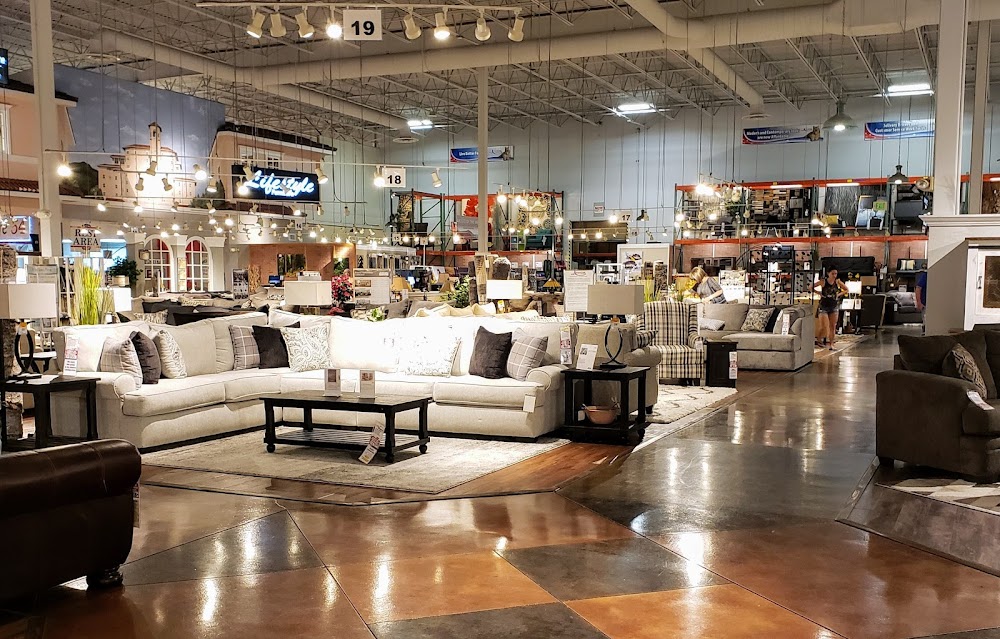
The variety of furniture styles at warehouses means shoppers rarely compromise on aesthetic preferences despite the discounted prices. Each sale event brings different inventory, making it possible to furnish homes with unique pieces that suit individual tastes. Click here to get about: Top 5 reasons to visit a local furniture store in NSW.
When and How Can Customers Take Advantage of Furniture Warehouse Sales?
Furniture warehouses typically operate through event weekends at furniture warehouses rather than maintaining daily retail hours. These limited-time sales events occur several times throughout the year, creating concentrated shopping opportunities where customers can access the full range of discounted inventory. The event-based model allows warehouses to manage logistics efficiently while offering customers substantial savings on quality furniture pieces.
How to Stay Informed About Upcoming Sales
Signing up for email notifications directly through a warehouse’s website ensures you receive advance notice of upcoming events. Most furniture warehouses announce their sale dates 1-2 weeks ahead, giving shoppers time to plan their visit and research available inventory. Social media channels provide another reliable source for sale announcements, often featuring sneak peeks of featured items or exclusive online-only deals.
Strategies for Maximizing Your Savings
Arriving early on the first day of an event weekend gives you access to the widest selection before popular items sell out. Warehouse sales operate on a first-come, first-served basis, with no restocking during the event period. Taking measurements of your space beforehand prevents purchasing furniture that won’t fit, saving both time and potential return hassles.
Creating a priority list of needed items helps you stay focused amid the extensive inventory. Many shoppers find success by identifying their must-have pieces first, then browsing for additional items if budget allows. Bringing a tape measure, room dimensions, and color swatches enables quick decision-making on the warehouse floor.
Shopping Options During Event Weekends
Both in-person warehouse shopping and online ordering are typically available during event weekends. Online platforms often mirror the warehouse inventory, allowing customers who cannot attend in person to access the same discounts. Some warehouses release online inventory at specific times, creating a virtual shopping experience similar to the physical event.
Checking stock availability before visiting can save wasted trips, as some warehouses provide real-time inventory updates through their websites or customer service lines. Setting aside several hours for your warehouse visit allows adequate time to browse, compare options, and make informed purchasing decisions without feeling rushed.
Are Delivery Options Convenient for Customers Purchasing from Furniture Warehouses?
Delivery services offered by furniture warehouses are surprisingly accessible and designed to accommodate both urban and regional customers. Most warehouses provide professional delivery to metropolitan areas and extend their reach to surrounding regions, making it easy for shoppers to receive their purchases without the hassle of arranging their own transport.
The convenience factor becomes especially apparent for city dwellers who lack large vehicles. Furniture warehouses typically employ dedicated delivery teams equipped to handle bulky items like sectional sofas, king-sized beds, and dining sets. These teams navigate tight apartment hallways, elevators, and parking restrictions that make DIY furniture transport nearly impossible in urban settings.
Delivery fees vary based on specific order details:
- Distance from the warehouse location
- Total weight of purchased items
- Size and dimensions of furniture pieces
- Number of flights of stairs (for apartments without elevator access)
- Assembly requirements upon delivery
Many warehouses calculate delivery costs during checkout, providing transparent pricing before customers commit to their purchase. This upfront approach eliminates surprise fees and allows shoppers to factor delivery expenses into their overall budget planning.
Regional customers outside major metropolitan areas can still access delivery services, though lead times may extend by several days compared to urban deliveries. Some warehouses partner with freight companies to reach more remote locations, ensuring that budget-conscious shoppers in smaller towns aren’t excluded from accessing affordable furniture options.
The scheduling flexibility offered by warehouse delivery services accommodates working professionals who cannot take entire days off. Many provide delivery windows rather than all-day waits, with some offering weekend slots for an additional fee. Text or email notifications keep customers updated on driver arrival times, reducing the frustration of uncertain wait periods.
White-glove delivery services are occasionally available for premium items or customers willing to pay extra. These enhanced services include unpacking, assembly, placement in the desired room, and removal of all packaging materials—transforming the delivery experience from a logistical challenge into a seamless transition.
Why Should Budget-Conscious Consumers Consider Shopping at Furniture Warehouses?
Is a furniture warehouse the Secret to Affordable Home Decor? The answer lies in the compelling combination of deep discounts and quality selections that traditional retailers simply cannot match. Furniture warehouses deliver savings of 70-80% off retail prices while maintaining access to name-brand pieces and contemporary styles.
The financial advantages extend beyond initial price tags. Shoppers gain access to affordable quality furniture from warehouses that would typically sit in high-end showrooms at premium prices. These pieces come from the same manufacturers supplying major retailers, ensuring comparable quality without the markup.
Cost Savings Without Compromising Style
Budget-conscious shoppers face a common dilemma: choosing between affordability and aesthetic appeal. Furniture warehouses eliminate this trade-off by offering:
- End-of-line designer pieces at clearance prices
- Discontinued collections from premium brands
- Excess inventory from major retailers
- Current season styles at fraction of showroom costs
The warehouse model removes expensive overhead costs associated with year-round retail operations. No permanent showrooms means no rent, utilities, or staffing expenses passed onto customers. These operational savings translate directly into lower prices on every purchase.
Access to Diverse Inventory Options
Traditional furniture stores carry limited floor models and require special orders for specific configurations. Warehouses stock substantial quantities of ready-to-purchase items across multiple style categories. Customers can physically inspect pieces, test comfort levels, and take items home immediately during sale events.
The variety available rivals or exceeds traditional retailers. From contemporary modular lounges to classic leather recliners, from minimalist bedroom sets to rustic dining collections, warehouse inventory spans the full spectrum of home furnishing needs. This breadth of selection empowers shoppers to furnish entire rooms or complete home makeovers within modest budgets.
Transparency in Pricing Structure
Furniture warehouses operate with straightforward pricing models. The advertised discount reflects the actual savings compared to original retail values. No hidden fees, artificial markups, or deceptive “sale” prices that never end. Customers know exactly what they’re paying and what they’re saving.
This pricing transparency builds trust and confidence in purchasing decisions. Shoppers can compare warehouse prices against current retail offerings to verify genuine value.
Exploring Other Affordable Home Decor Solutions Beyond Furniture Warehouses
What other options exist for finding budget-friendly furniture and decor? Thrift stores, consignment shops, and secondhand marketplaces offer substantial savings on pre-loved furniture pieces. These venues often stock unique, vintage items that add character to your home while keeping costs minimal.
Online Marketplaces
Online marketplaces have transformed how people access alternative affordable home decor solutions. Platforms like Facebook Marketplace, Craigslist, and OfferUp connect buyers directly with sellers, eliminating middleman costs. Many listings feature gently used furniture at a fraction of retail prices, with some items available for free pickup.
Estate Sales and Garage Sales
Estate sales and garage sales present treasure-hunting opportunities for patient shoppers. These events typically price items to sell quickly, meaning quality furniture pieces can be acquired for remarkably low amounts. Arriving early increases your chances of finding the best selections before other shoppers.
Direct-to-Consumer Furniture Brands
Can online retailers compete with warehouse pricing? Direct-to-consumer furniture brands bypass traditional retail markups by selling exclusively online. Companies like Wayfair, Overstock, and Amazon offer competitive pricing through flash sales, clearance sections, and seasonal promotions that rival warehouse discounts.
DIY Upcycling Projects
DIY upcycling projects extend your decorating budget significantly. Purchasing unfinished or worn furniture pieces and refinishing them yourself creates custom looks at minimal expense. A fresh coat of paint, new hardware, or reupholstered cushions can completely transform dated pieces into stylish statement furniture.
Rental Furniture Services
Rental furniture services provide flexible solutions for temporary living situations or those wanting to test styles before committing. While not ownership, these services offer affordable monthly rates that include delivery and pickup, making them practical for budget-conscious consumers.
Community Initiatives
Community buy-nothing groups and neighborhood swap events facilitate free furniture exchanges among residents. These grassroots initiatives help people furnish their homes without spending money while promoting sustainability through reuse.