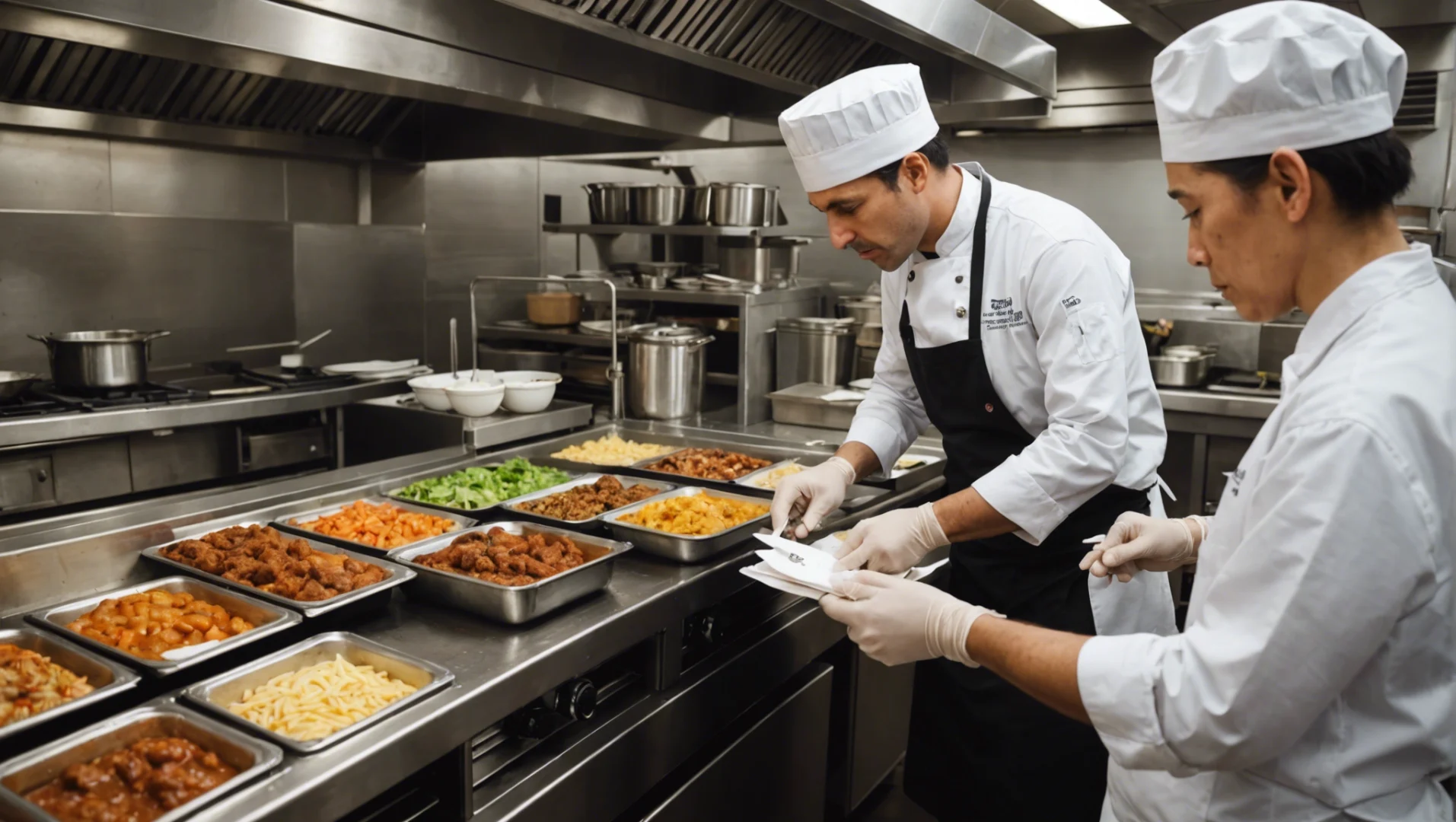
Food safety compliance in Australia is not a single checklist. It is a mix of legal duties, practical controls, staff training, record keeping, and evidence that a business is managing risk every day.
They should expect requirements to vary by state or territory, by food type, and by the way food is handled. But the core expectation stays the same: prevent contamination, control time and temperature, and prove it with systems and records.
What is food safety compliance in Australia, in plain English?
Food safety compliance in Australia means a business follows the Food Standards Code and local enforcement rules, then can demonstrate safe handling from delivery to service. It is about preventing foodborne illness, not just passing an inspection.
In practice, they need safe premises, hygienic handling, allergen controls, temperature control, cleaning, pest management, and trained staff. If something goes wrong, food safety compliance in Australia also means they can trace what happened and fix it fast.
Which laws and standards do Australian food businesses have to follow?
Most businesses must follow the Australia New Zealand Food Standards Code, plus state or territory food acts and local council requirements. Enforcement is typically handled by local councils for retail and hospitality, and by state agencies for some sectors.
They should treat the Code as the baseline and local conditions as the “how”. Food safety compliance in Australia often fails when a business only reads national rules but ignores council licensing, inspections, and approved food safety programs where required.
Who enforces the rules and how do inspections usually work?
Local council environmental health officers commonly inspect cafes, restaurants, takeaways, caterers, and many retailers. They check hygiene, temperature control, cleaning, pest risks, and whether the business can show records that match their claims.
Inspections can be routine, risk-based, or complaint-driven. If they cannot produce evidence on the day, food safety compliance in Australia may be assessed as poor even if the kitchen “looks clean,” because controls must be consistent and verifiable.
What licences and registrations might they need to operate legally?
They usually need to register their food business with the relevant local council, and may need approvals for fit-out, plumbing, grease traps, or trade waste. Some businesses need a Food Safety Supervisor and a documented food safety program, depending on the state and the business type.
They should check requirements before signing a lease. Food safety compliance in Australia becomes expensive when they retrofit a premises after learning the council’s layout, handwashing, or storage expectations.
What does a food safety program actually need to include?
A food safety program is a written system that identifies hazards and sets controls, monitoring, corrective actions, and verification. It is common in higher-risk operations like catering, aged care, hospitals, and some childcare settings, depending on the jurisdiction.
At minimum, they should cover receiving, storage, preparation, cooking, cooling, reheating, display, transport, cleaning, and allergen management. Food safety compliance in Australia improves when the program reflects the real workflow, not a generic template nobody follows.
What are the core hygiene and handling requirements they must meet?
They must prevent contamination through hand hygiene, protective clothing, illness controls, clean equipment, and separation of raw and ready-to-eat foods. Staff should know when to wash hands, how to avoid cross-contamination, and how to handle utensils and gloves correctly.
They also need suitable handwashing facilities with soap and single-use towels. Food safety compliance in Australia is often judged on basics: clean hands, clean surfaces, safe storage, and clear separation.
What time and temperature rules matter most for high-risk foods?
They must keep potentially hazardous foods out of the “temperature danger zone” as much as possible. For cold storage, they typically aim for 5°C or below, and for hot holding, 60°C or above, with safe cooking, cooling, and reheating steps in between.
They should use calibrated thermometers and record checks where required. Food safety compliance in Australia frequently hinges on whether they can show consistent temperature control, not whether they can recall “roughly how it was done.”
How should they handle cooling, reheating, and batch cooking safely?
They should cool cooked foods quickly, using shallow trays, blast chillers where available, ice baths, smaller portions, and airflow in cool rooms. Large containers cooling at room temperature are a common risk.
Reheating should be fast and thorough, and hot holding should start only after proper reheating. If they batch cook, food safety compliance in Australia expects clear rules for labelled containers, date marking, and “use by” practices that suit the product and process.
What allergen management is expected in Australian kitchens and food retail?
They must manage allergens through accurate information, prevention of cross-contact, and clear procedures for staff. That includes ingredient awareness, recipe control, storage separation, dedicated utensils where needed, and cleaning steps that actually remove residues.
They should also know the rules around declarations and consumer information. Food safety compliance in Australia increasingly focuses on allergen risk because mistakes can be severe, and “may contain” is not a substitute for good controls.

What cleaning and sanitising routines do they need to prove?
They need a cleaning schedule that matches their risks: what is cleaned, how often, with what chemicals, and who signs off. High-touch surfaces, slicers, boards, benches, and cloths need special attention.
They should distinguish cleaning from sanitising and use the right concentration and contact time. Food safety compliance in Australia is easier to demonstrate when they keep simple logs and can explain why certain areas are cleaned more often.
How does pest control fit into compliance requirements?
They must keep pests out and respond quickly to any signs of activity. That means sealing gaps, managing waste, controlling moisture, storing food off the floor, and using professional pest control where needed.
They should keep pest service reports and note any corrective actions. Food safety compliance in Australia can be undermined by small issues like propped doors, overflowing bins, or unsealed dry storage, because these invite pests.
What staff training and supervision is typically required?
They must ensure food handlers have appropriate skills and knowledge for their tasks, and that training is refreshed and supervised. Many states require a Food Safety Supervisor for certain businesses, with accredited training and currency requirements.
Training should cover hygiene, cross-contamination, temperature control, allergens, cleaning, and sickness reporting. Food safety compliance in Australia is stronger when training is practical and role-based, not just a one-off online certificate.
What records should they keep to demonstrate compliance?
They should keep the records that match their risks and legal obligations: temperature logs, receiving checks, cleaning schedules, pest reports, calibration checks, allergen procedures, training records, and corrective actions.
Records do not need to be complex, but they must be consistent and truthful. Food safety compliance in Australia often comes down to “show it,” and simple, well-kept logs can resolve disputes quickly during inspections.
How do traceability, recalls, and supplier checks work in practice?
They must be able to identify where food came from and where it went, especially for higher-risk items. That means keeping invoices, delivery dockets, batch details when relevant, and supplier contacts.
They should have a basic recall plan, including who decides, who contacts customers, and how affected stock is quarantined. Food safety compliance in Australia expects they can act quickly if a supplier alert or contamination issue arises.
What are common mistakes that cause Australian businesses to fail inspections?
They often fail on temperature control, cross-contamination, poor cleaning detail, weak allergen handling, and missing records. Another common issue is relying on memory instead of procedures, especially during busy service.
They also slip when equipment is broken, thermometers are uncalibrated, or staff are not supervised. Food safety compliance in Australia is usually lost through repeated “small” gaps that add up, not a single dramatic mistake.
What happens if they breach requirements or cause a food safety incident?
Consequences can include improvement notices, fines, prosecution, licence conditions, closure orders, or reputational damage. If people become ill, investigations can involve interviews, sampling, record reviews, and traceback to suppliers.
They should treat any complaint as a signal to review controls immediately. Food safety compliance in Australia is not only about penalties; it is also about protecting customers and keeping the business operating without disruption.
See Also : How Compliance And Brand Reputation Reporting Protects Your Business
How can they stay compliant long term without drowning in paperwork?
They should build routines that fit service flow: quick temperature checks at set times, cleaning sign-offs tied to shift change, clear labels, and short corrective action notes when something goes wrong. The goal is fewer, better records that reflect real controls.
They can also schedule internal audits and refresh training seasonally. Food safety compliance in Australia becomes sustainable when systems are simple, staff understand the “why,” and managers follow up consistently.

What should they do next if they want confidence they are meeting requirements?
They should start by confirming local council registration, applicable state rules, and whether a food safety program and Food Safety Supervisor are required. Then they can map their process from delivery to service, identify high-risk steps, and set monitoring checks they will actually do.
If they are unsure, they can engage an Australian food safety consultant or use council guidance to validate procedures. Food safety compliance in Australia is easiest when they seek clarity early, then document what they do and do what they document.
FAQs (Frequently Asked Questions)
What does food safety compliance in Australia entail?
Food safety compliance in Australia involves adhering to the Food Standards Code and local enforcement rules, ensuring safe handling of food from delivery to service. It includes preventing contamination, controlling time and temperature, maintaining hygienic premises, staff training, allergen management, record keeping, and being able to trace and address issues promptly.
Which laws and standards must Australian food businesses follow?
Australian food businesses must comply with the Australia New Zealand Food Standards Code along with state or territory food acts and local council requirements. Enforcement is typically managed by local councils for retail and hospitality sectors and by state agencies for specific industries. Treating the national Code as a baseline while following local licensing and approved food safety programs is essential for compliance.
Who enforces food safety regulations in Australia and how are inspections conducted?
Local council environmental health officers commonly enforce food safety regulations by inspecting cafes, restaurants, takeaways, caterers, and many retailers. Inspections can be routine, risk-based, or complaint-driven, focusing on hygiene, temperature control, cleaning, pest risks, and verifying that records support claimed practices. Consistent and verifiable controls are required beyond just a clean appearance.
What licences or registrations are required for operating a food business legally in Australia?
Food businesses usually need to register with their local council and may require approvals for premises fit-out, plumbing, grease traps, or trade waste management. Depending on the state and business type, a Food Safety Supervisor appointment and a documented food safety program may also be mandatory. Checking these requirements before leasing premises helps avoid costly retrofits.
What should a food safety program include under Australian regulations?
A food safety program must be a written system identifying hazards with controls, monitoring procedures, corrective actions, and verification steps. It typically covers receiving, storage, preparation, cooking, cooling, reheating, display, transport, cleaning, and allergen management. Customizing the program to reflect actual workflows enhances compliance effectiveness.
What are the core hygiene and handling practices required for food safety compliance?
Core hygiene practices include preventing contamination through proper hand hygiene, use of protective clothing, illness controls, clean equipment maintenance, separation of raw and ready-to-eat foods, adequate handwashing facilities with soap and single-use towels, and staff training on avoiding cross-contamination. Compliance relies heavily on consistently maintaining clean hands, surfaces, safe storage conditions, and clear separation protocols.